


Can we still use pennies? Congress plots a penniless future
Can we still use pennies? Congress plots a penniless future

Daniel de Visé, USA TODAYThu, October 1, 2026 at 9:09 AM UTC
5
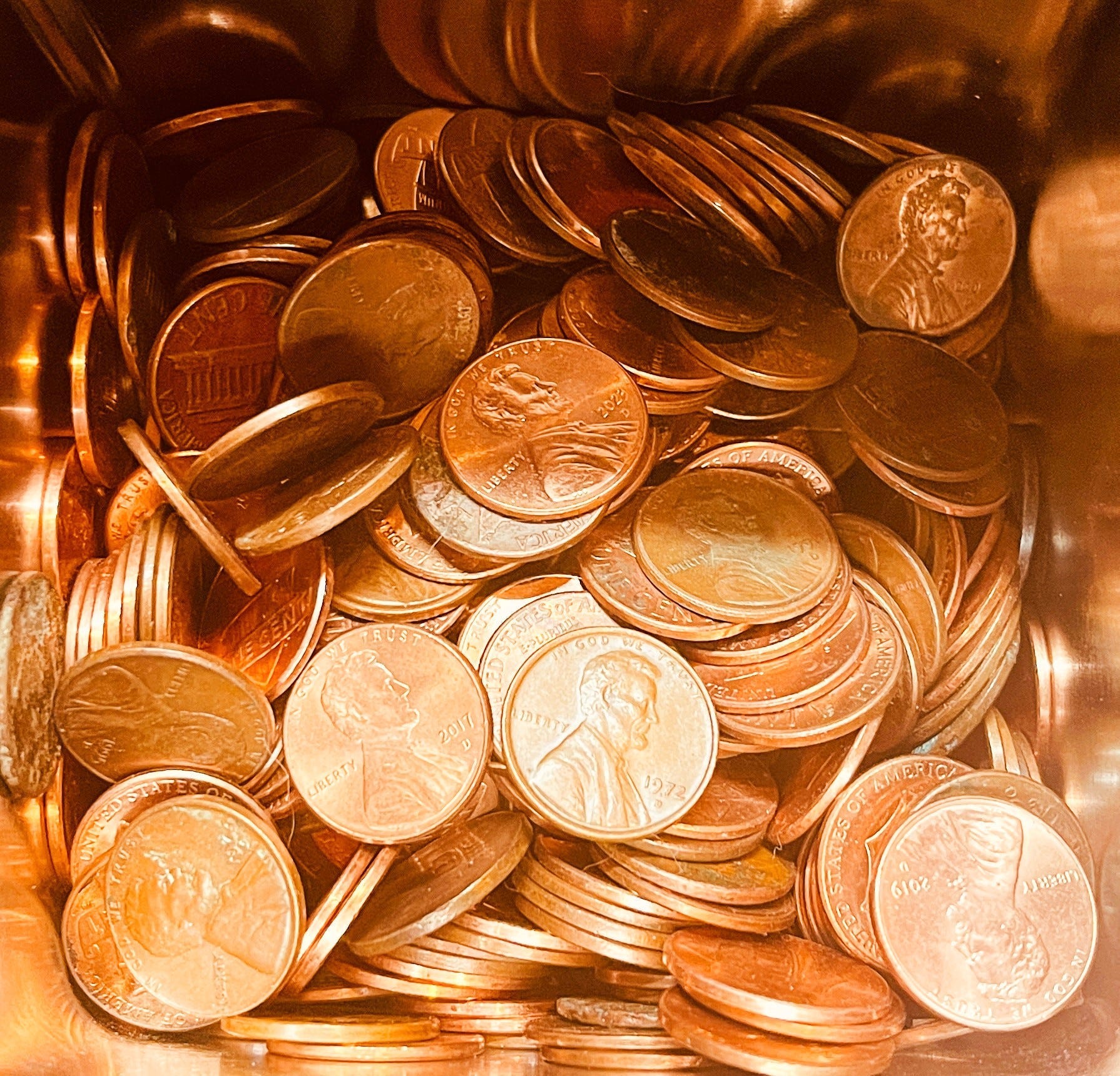
America may finally have a plan to survive without pennies.
The Treasury Department stopped minting pennies in 2025, under orders from President Donald Trump. Pennies cost more to mint than they were worth. Most Americans found them a nuisance.
But retailers need pennies to make change, and penny shortages vexed cashiers even before production ceased. With the penny tray empty, how can a clerk settle a $9.98 transaction when the customer pays with a ten-dollar bill?
This week, Congress passed a bill that could solve the penny problem. The Common Cents Act, approved by the Senate on Sept. 28, permits retailers to round cash transactions to the nearest five cents when neither buyer nor seller has exact change.
The guidance sounds simple enough, but some states and cities have laws that forbid retailers to “round.” The Common Cents Act would effectively overrule them.
“It’s meant to eliminate those awkward situations where, if you buy something for 99 cents and you hand over a dollar bill, the retailer doesn’t give you anything back because they don’t have pennies,” said Steve Kenneally, senior vice president for payments at the American Bankers Association.
The bill, which awaits presidential action, should bring relief to retailers, Kenneally said. Storekeepers had no consistent rules to follow. Some customers didn’t want their transactions rounded up.
Here’s what it all means for the American consumer.
Can you still use pennies?
Yes.
No more pennies will be minted, but roughly 114 billion of them remain in circulation.
“And the penny is still going to be legal tender,” Kenneally said.
Some shoppers love to pay in exact change, and nothing in the Common Cents Act will stop them. Likewise, many merchants have enough pennies to provide exact change, and the bill would not require them to “round.”
How will rounding work?
The math behind rounding cash transactions to the nearest five cents is relatively simple.
If a price has 1, 2, 6 or 7 as the final digit, the bill instructs, merchants may round it down to the nearest sum divisible by 5: either 5 or 0.
If a price ends in 3, 4, 8 or 9, the merchant may round up to 5 or 0.
One scenario might leave a customer paying a few cents extra: If a transaction totals just 1 or 2 cents, and the customer pays cash, the merchant may round it up to a nickel.
“If somebody’s selling penny candy, you might want to buy three of them,” joked Jeff Lenard, spokesman for the National Association of Convenience Stores.
Will stores profit from rounding up?
Here lies one of the most persistent consumer complaints about the death of the penny.
When Lenard’s group surveyed consumers on rounding, 25% said they thought retailers would profit from the transaction, while 10% thought customers would benefit. The other 65% guessed, correctly, that no one ends up ahead.
Customers have grown so mistrustful of rounding that some merchants have opted to round every transaction down, losing money in the process.
But no: Neither merchants nor consumers profit from rounding, aside from the “small transactions” caveat noted above.
Mathematically, an equal number of transactions will end up rounded up or down. If you don’t believe us, ask a math teacher.
“Over the long run, it should equal out,” Kenneally said.
Why did the government stop minting pennies?
President Donald Trump killed the penny because the government lost money every time it pressed one.
Advertisement
The Mint spent 3.69 cents making every penny in 2024. Add it up, and the government lost about $18 million minting pennies that year.
Consumers increasingly considered pennies a nuisance because of their dwindling purchasing power.
How are merchants handling pennies now?
Many retailers have plenty of pennies on hand – enough, at least, to serve the dwindling number of customers who pay cash. For them, nothing has changed.
But penny shortages have afflicted merchants nationwide. Convenience stores, in particular, have struggled to stock pennies, because many of their transactions are small, and customers often pay cash.
“Whenever I go to a 7-Eleven, I try to pay in cash and see what happens,” said Kenneally, who shops in Virginia. Some stores have pennies. Others do not.
Remember those coin trays, the ones that used to brim with spare pennies?
“There are no more pennies in them,” Kenneally said. “It’s all silver coins.”
Merchants with penny shortages have generally adopted the rounding policy. But some customers push back.
“Right now, you have businesses that are having to implement these rounding procedures without much certainty or clarity,” said Dylan Jeon, vice president of government relations at the National Retail Federation.
Is it legal to round some transactions but not others?
You might be surprised by the answer to this one: In some states, under current law, rounding is illegal.
In “about a dozen states,” and some cities, Jeon said, “you can’t charge different amounts to cash customers and other customers.”
Under a rounding policy, cash customers pay a different price than anyone else. That violates state and local laws that require equal treatment of all customers.
The federal Supplemental Nutrition Assistance Program, or SNAP, follows the same rules.
The Common Cents Act would make rounding legal everywhere.
Will the government stop minting nickels, too?
That’s a logical question. Trump killed the penny because the government lost money on them. Nickels are money-losers, too.
In fact, nickels are bigger losers. For every nickel minted in 2024, the government spent 13.78 cents, a loss of nearly 9 cents per coin. Nickels cost more to make because they are larger than pennies and made of costlier stuff.
Coin experts predict the federal government will eventually phase out the nickel, for the same reasons it nixed the penny.
The Common Cents Act requires the Treasury to notify Congress before it eliminates another coin. The bill also authorizes the agency to find a cheaper way to make nickels, as long as the formula doesn’t disrupt coin-op machines.
Will my pennies become valuable?
With no more pennies being minted, there may come a day when pennies are so rare that any penny is valuable.
That day has not arrived.
Most pennies aren’t likely to appreciate in value any time soon, coin experts say. In other words, most pennies are still worth a penny.
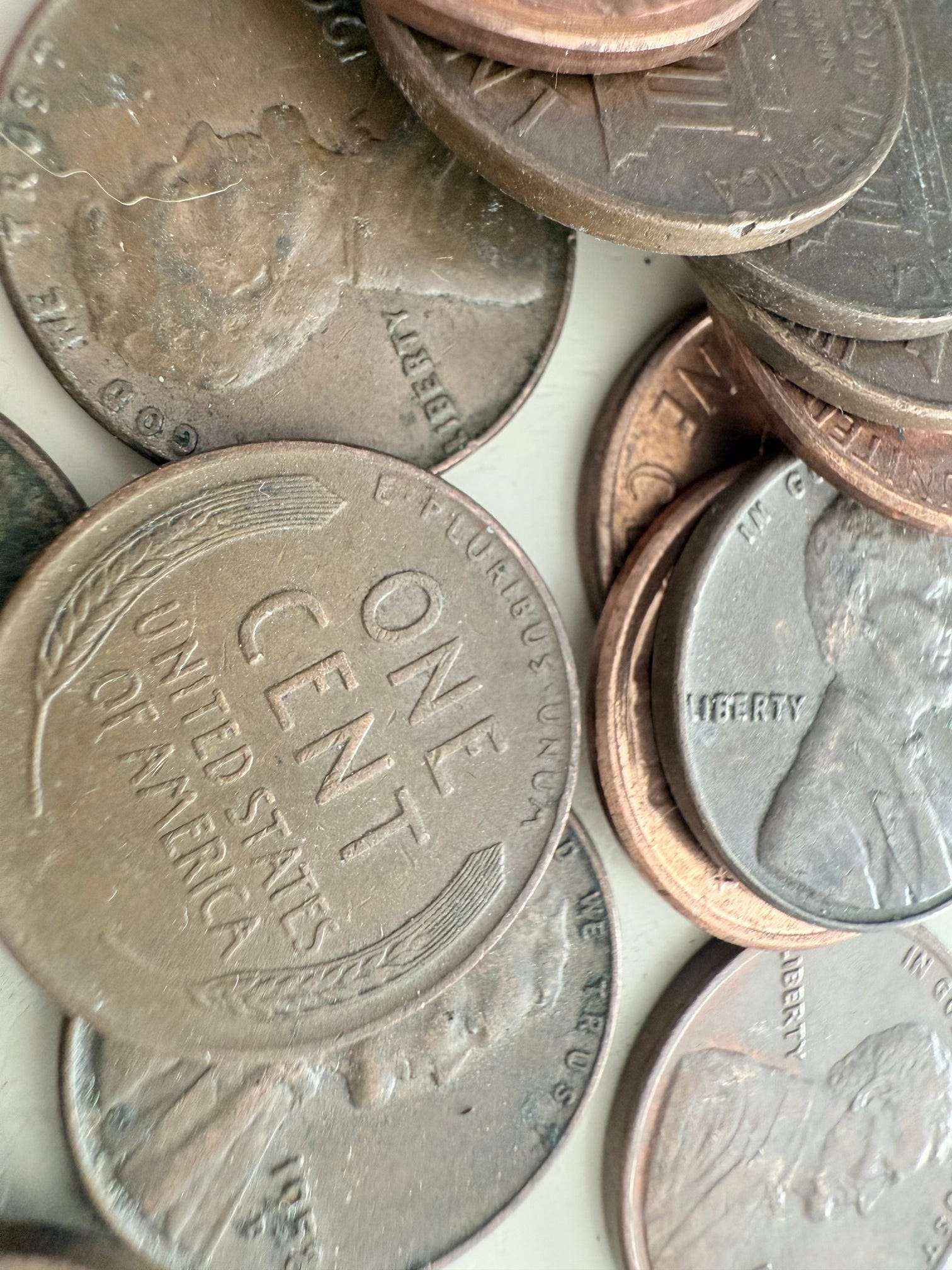
That said, some pennies are already quite valuable. One example is the 1943 copper penny, produced by accident, apparently, as the nation was preserving copper for the war effort.
Contributing: Mike Snider
This article originally appeared on USA TODAY: Can we still use pennies? Congress plots a penniless future
Source: “AOL Money”
