


Dean Richards and Sir Ian McGeechan interview: We still hate losing
Dean Richards and Sir Ian McGeechan interview: We still hate losing

Charles RichardsonSun, August 16, 2026 at 5:01 AM UTC
0
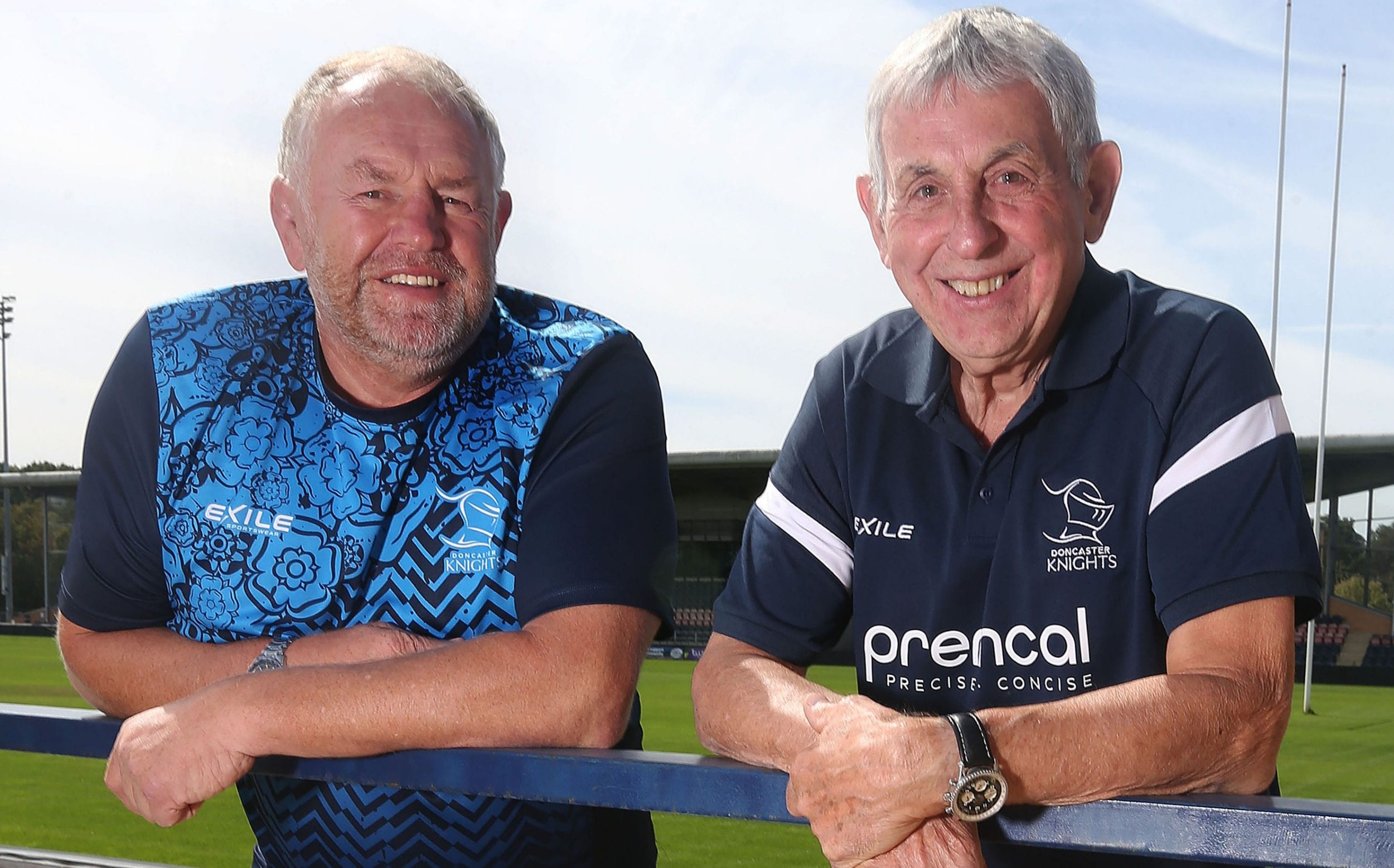
Dean Richards, director of rugby, and Sir Ian McGeechan, adviser and sounding board, have teamed up to try to help Doncaster Knights make the top flight - Lorne Campbell for The Telegraph
Sir Ian McGeechan cannot quite put his finger on the first time he met Dean Richards. But one of McGeechan’s earliest, most meaningful memories from a 40-year friendship came before the infamous second Test of the 1989 British and Irish Lions tour at Ballymore, Brisbane.
On a perfect winter’s afternoon in sun-kissed eastern Australia, the Lions levelled a series which they would go on to win a week later in Sydney. McGeechan was the rookie head coach and Richards was his rookie No 8, with 16 years separating the pair. Minutes before kick-off in what became known as the Battle of Ballymore, the pair found themselves together, not in the changing rooms, where the finishing touches were being put on the pre-match rallying cries, but in the crowd.
“Dean always hated being in the changing room before a game, with all the shouting and the fighting,” McGeechan, 79, says. “So, ahead of that second Test, rather than stay in the dressing room, you and I walked round Ballymore until all the hair-raising stuff was done and just joined the team about five minutes before the match. Funnily enough, when I was a player, I was similar. I always made sure I didn’t arrive at the ground before 25 to three, for kick-off.”
Richards, 63, adds: “As a policeman, I’d often work Saturday mornings. I’d finish at 2pm, jump in my car, and drive over to Leicester for a 3pm kick-off. I’d get there at 20 minutes to three having organised a parking space in the old Crumbie. I’d have been panicking as both the Tigers and City might have been playing at home, but I never failed to get there on time. I’d turn up 20 minutes before kick-off, walk into the changing rooms, put my bag down, put my boots on, put my shirt, shorts and socks on and then go out and play.
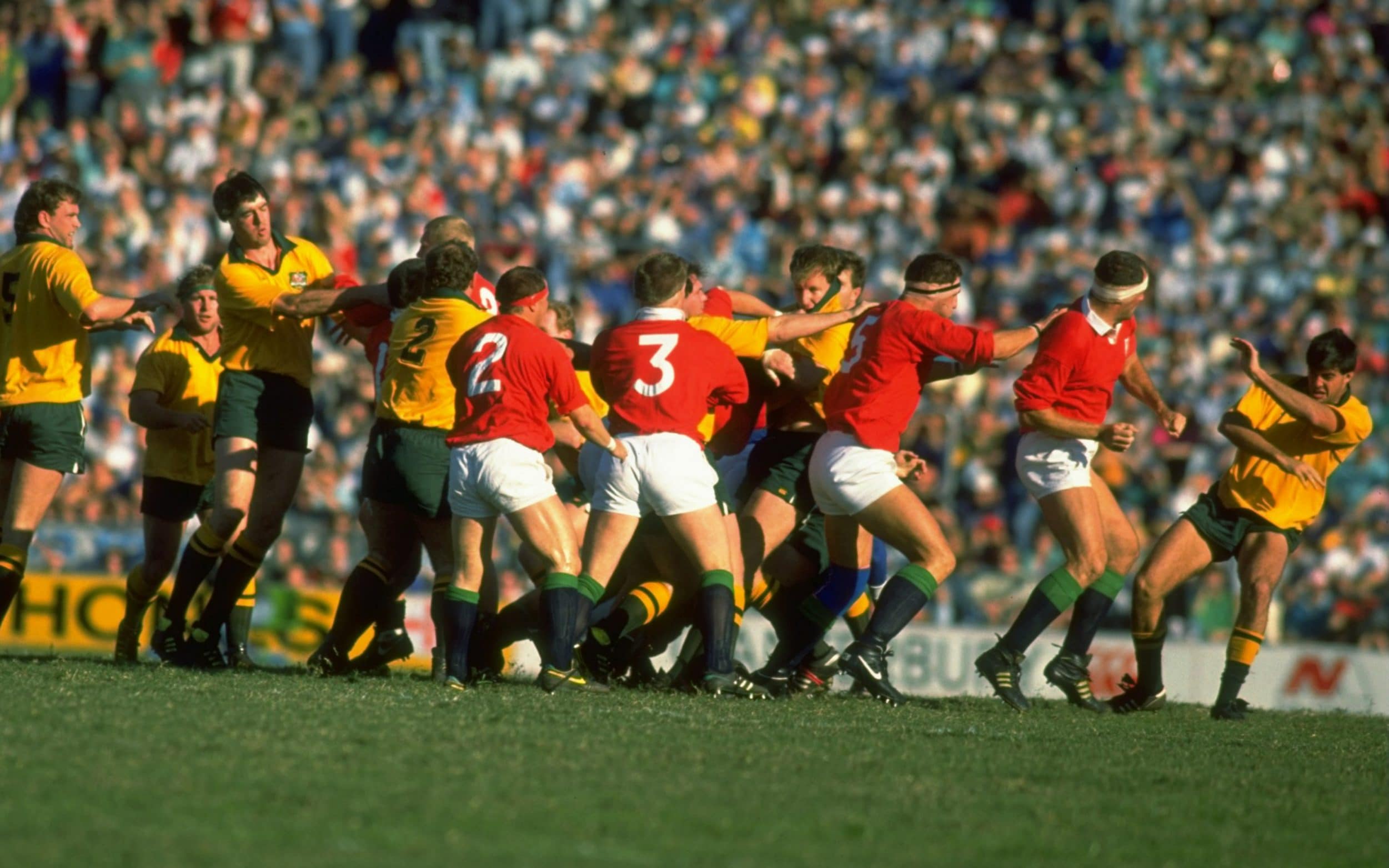
A fight breaks out between Australia and the Lions at the ‘Battle of Ballymore’ - Russell Cheyne/Allsport/Getty Images
“I didn’t have the time to get psyched up. I don’t think you always need it. I don’t think many people do, I just think they get drawn into the habit of doing it. Everyone knows, deep down, what they’re about, so to have to build yourself up to go out and do something, when you know full well whether you can do it or not... it’s there inside you.”
Ballymore, in the east of Australia, was more than 37 years ago, but today the duo have reunited in the north of England. Not as coach and player, but Richards as the new director of rugby and McGeechan as the adviser and sounding board at Doncaster in the Champ, forming what is surely the most accomplished coaching team in the history of England’s second tier. The duo’s spirit and soul of Ballymore, in all its equanimity, channelled nearly four decades on.
An hour in their company is as revealing as it is joyous, with the conversation ranging from Richards’s Calcutta Cup incident, to the 1989 Lions tour, the state of rugby in Yorkshire, England players based in France and hopes for Doncaster’s season. The Champ club have a tremendous amount of rugby IQ within their walls, two titans of British rugby: tough, tenacious, perspicacious, and still up for a laugh.
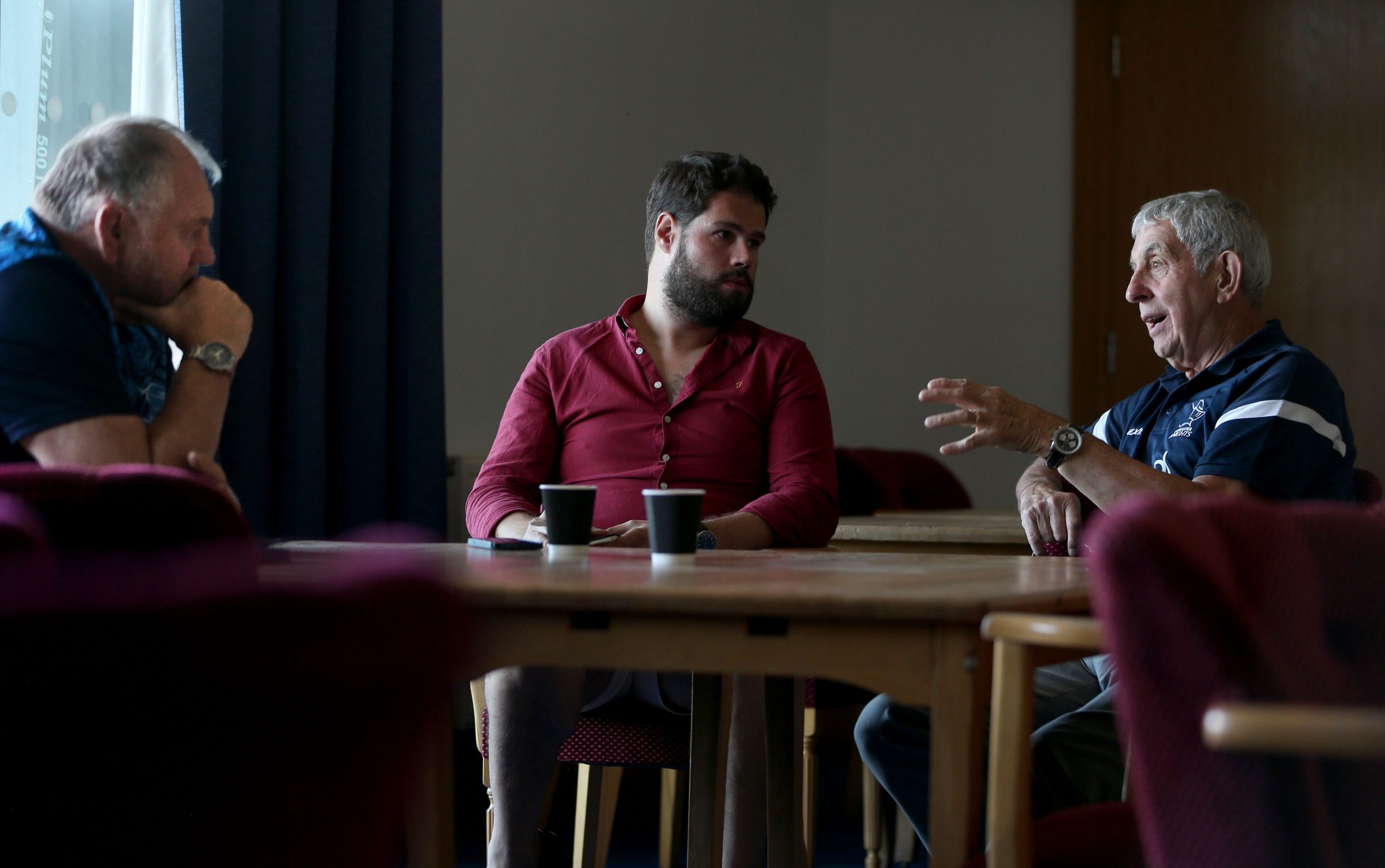
Charles Richardson talks to one knight of the realm, two Doncaster Knights, Sir Ian and Richards, who must be the most accomplished coaching staff in tier two history - Lorne Campbell for the Telegraph
“Were you coaching Scotland in 1987-88?” Richards asks McGeechan.
“I was assistant,” comes the reply.
“So, were you around when the Calcutta Cup incident happened?” Richards asks, referring to the fabled time he took the trophy out on the town, only for it to return a little worse for wear.
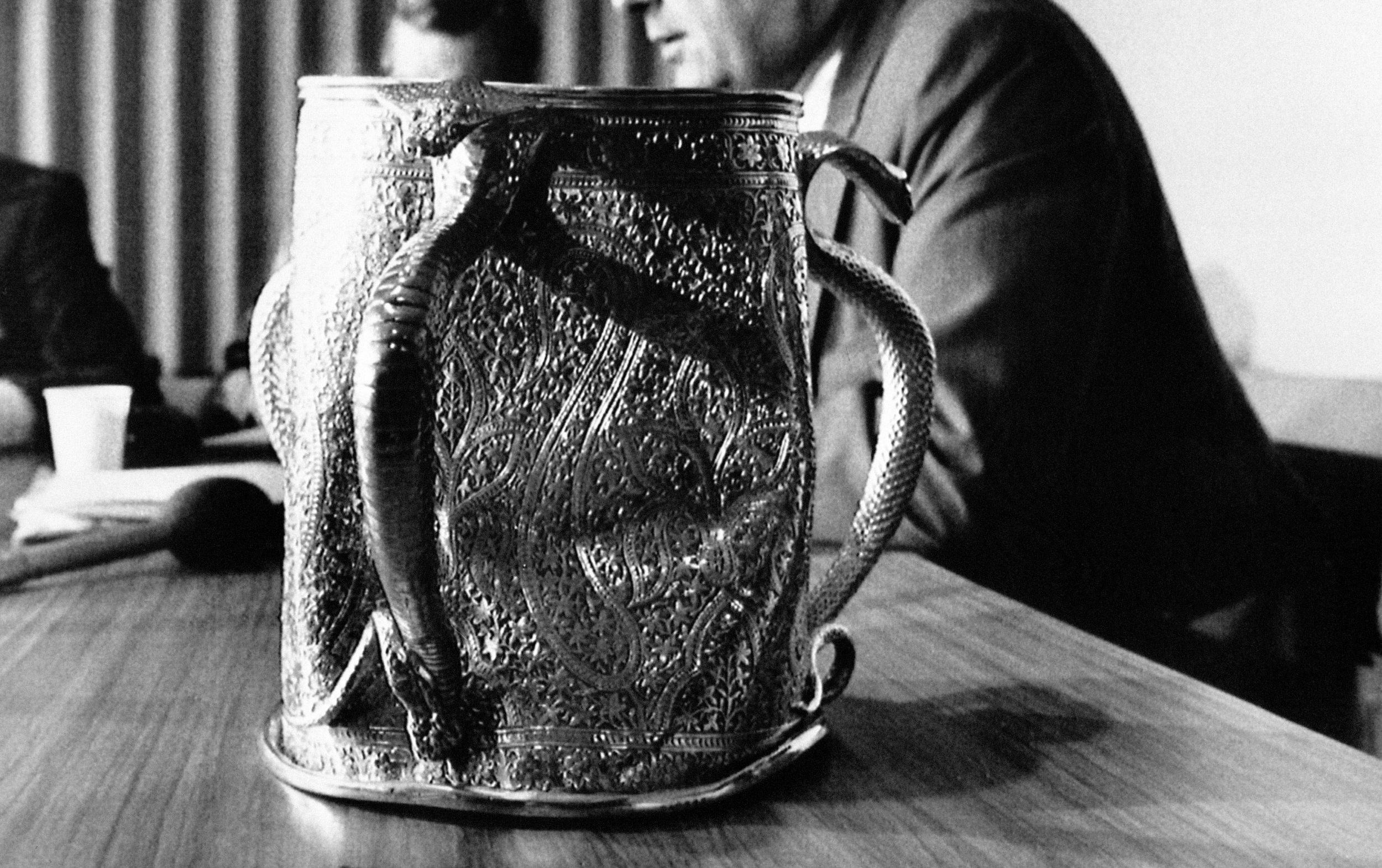
The damaged Calcutta Cup, after it spent a night on the town in 1988 - PA
McGeechan smiles: “Yeah, I was.”
“See, I’ve always blamed you for that, for a lack of responsibility. I bet his reaction was: ‘It’s all Dean’s fault – nothing to do with John Jeffrey!’” says Richards.
The conversation switches back to the Lions tour of 1989, the duo in full flow.
“On that tour, I didn’t expect to be the head coach. I’d basically gone from Scotland assistant to Lions head coach,” McGeechan explains.
Richards replies: “I didn’t expect to be going. I thought there were some outstanding players around – far better than me at the time – and to be selected was a huge honour, a privilege, and not taken for granted. Ask [Mike] Teaguey. He got knocked out against Wales in the Five Nations in the opening minute and he thought that was his Lions chance gone. A few months later, he was the man of the series.”
McGeechan: “He didn’t even play in the first Test. But that pack: Dooley, Ackford, Teague, Calder, Richards. Then people like David Sole. It was a pack with a presence.”
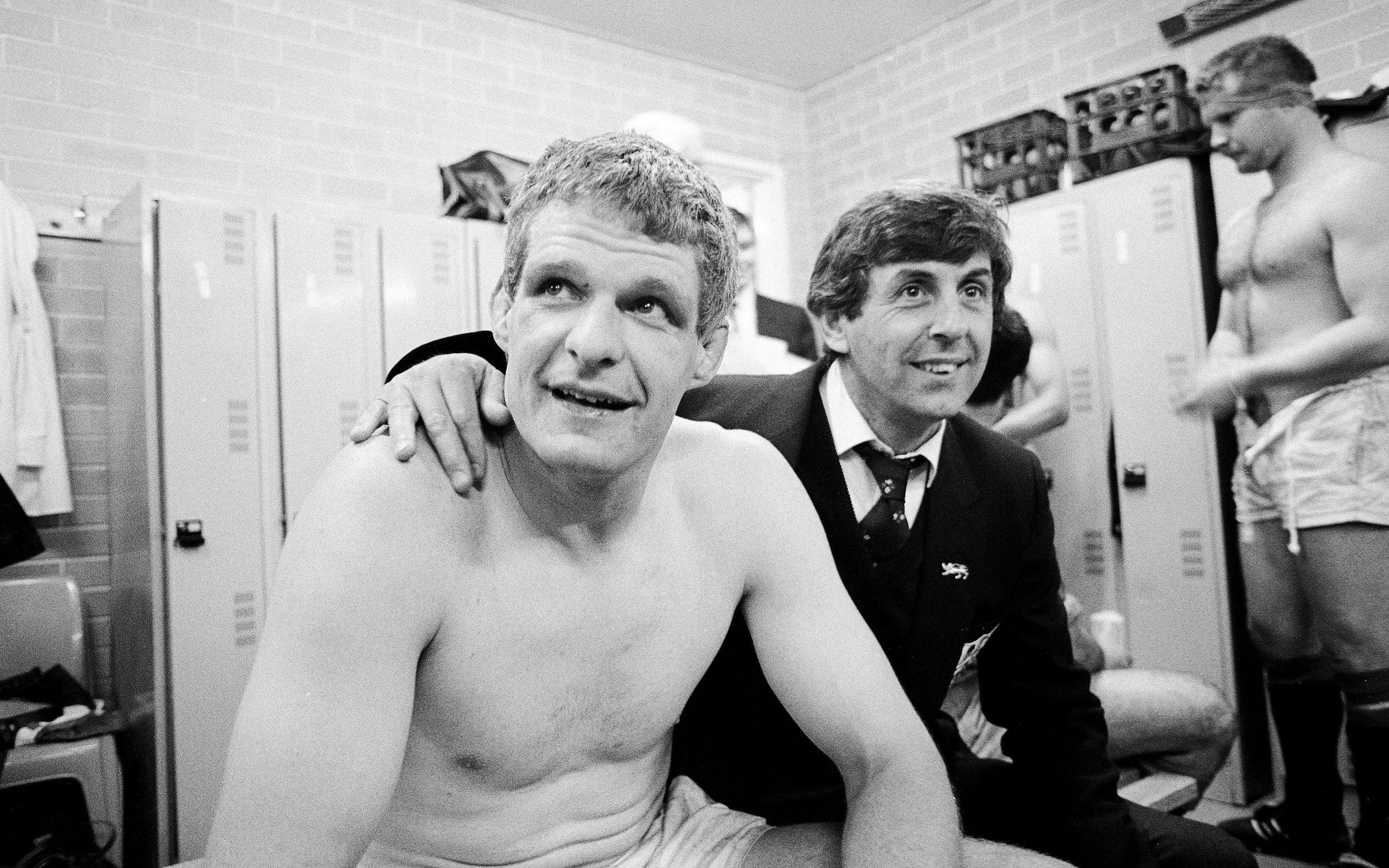
McGeechan celebrates victory in 1989 with his captain, Finlay Calder - Billy Stickland /Allsport/Getty Images
Richards: “It’s just the type of people, in those days. None had gone through academies and they were all from different walks of life: policemen, bank managers, workers in the city. They’d all experienced different things so that’s what made it so interesting in those days. When we came together, we had so much to talk about – and actually take the p--- out of. All the boys these days, their characters are not that different but their experiences aren’t great. That’s professionalism, I suppose.”
McGeechan: “The big post-match dinners were another place where people got to know each other, but now the players sometimes don’t even eat together. Sometimes they fly off because they want to get back. On the 1989 tour, you were not really aware of any support. Until we’d won the series, we had a dinner in Sydney. We walked through the hotel and the escalators, balconies were all full of supporters.
“We just thought: ‘Wow!’ There might only have been 900 of them whereas now you’re looking at 30-odd thousand. That’s a difference. In the professional game, that’s where Lions tours have got stronger. I still believe that if the players did not want to play for the Lions, they would be finished tomorrow. The players make the Lions.”
Richards: “Just a shame it’s a red shirt, isn’t it?”
The duo speak just as passionately about events from nearly 40 years ago as they do about present matters. As well as unwavering motivation, there is a harmony; there might be disagreements, but they are certainly on the same wavelength.
Advertisement
McGeechan was consultant director of rugby at Doncaster until Richards’ arrival. The former Scotland head coach arrived 2½ years ago and was supposed to stay for three months, but became engrossed in a project that is far from finished. McGeechan lent invaluable support to Doncaster’s two young head coaches, first Joe Ford and then Darren Fearns, both of whom now ply their trade with Prem clubs, but has been able to take a back seat after Richards’ arrival.
The former No 8, one of England’s finest, and Leicester director of rugby, had been overseeing Wymondham in Norfolk after spending some time at Tynedale following his departure from Newcastle in 2022. Now, he is back in the league that he knew well from his time at the Red Bulls (formerly Falcons), but at an unfamiliar club with lofty ambitions, spearheaded by long-time owners Steve Lloyd and Tony de Mulder. The players at Doncaster, whose campaign begins at Cornish Pirates on September 19, will be part-time this season, but several members of the backroom staff, including Richards, are full time.
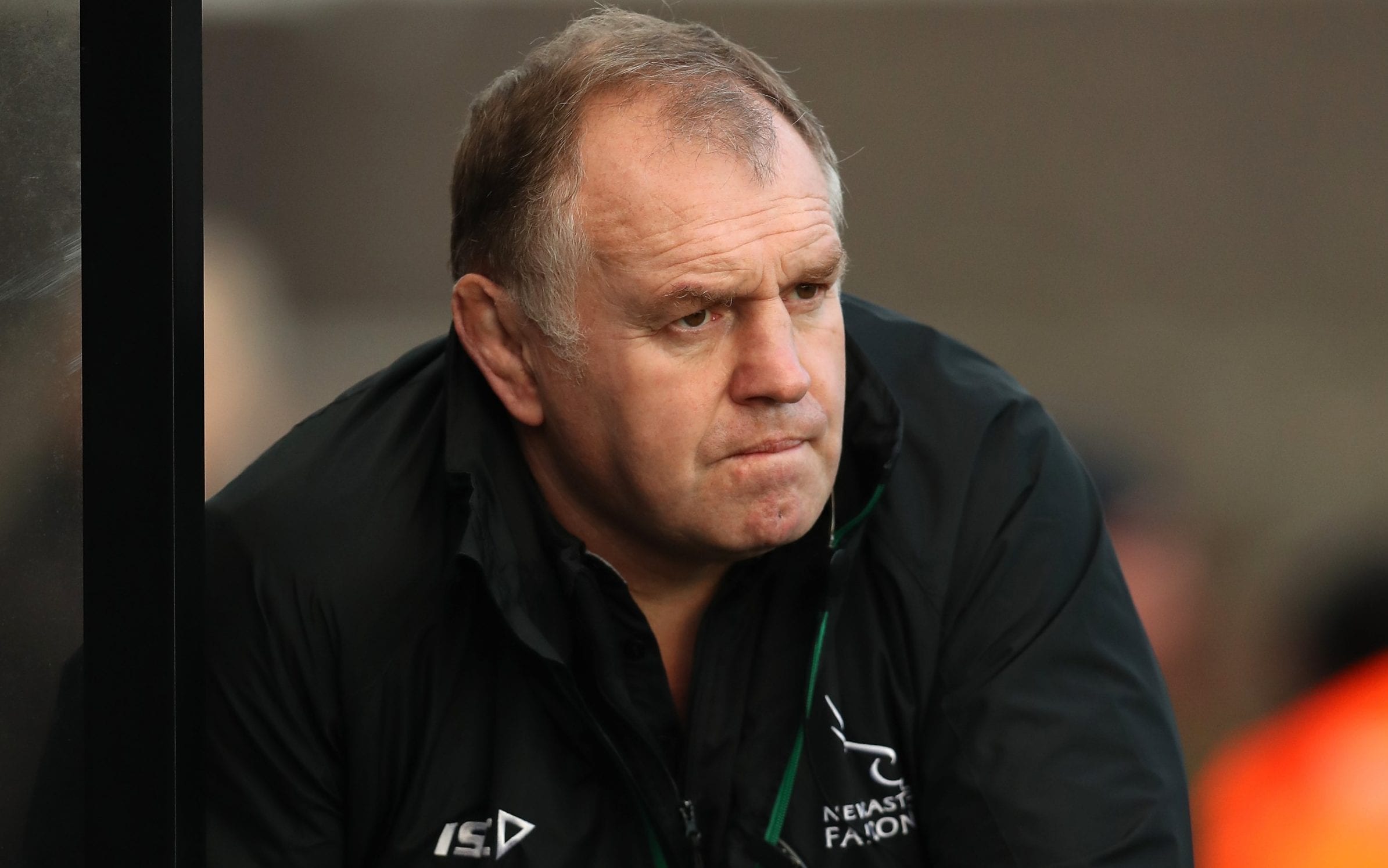
Richards twice led cash-strapped Newcastle Falcons into the top flight in 10 years as director of rugby at Kingston Park - David Rogers/Getty Images
“Steve, Tony and I had known each other for about 30 years – not as long as Geech and I – and then they rang me and asked if I were interested and I said I was,” Richards explains. “Wymondham were a bit upset, but I think they’re in a better place now because they have someone who is far more organised for that type of rugby club than me.
“There’s been a far more pragmatic approach from Steve and Tony in terms of funding. The boys are working hard, we have more experienced coaches. That’s not to say the guys before were not good, because they were, but we have more experience – and there is more stability. We will go out there to do as well as we can, we’ll be going out to win the league and, anything other than that, I’d be disappointed. I don’t like losing games. I f---ing hate it. Having spent 10 or 11 years at Newcastle, it f---ing tormented me.”
McGeechan giggles before Richards continues.
“It’s a far better league than people appreciate and I think the RFU, by reducing the funding from £800,000 to £160,000 or whatever it is, has sold it down the Swanee a bit,” he says. “So many quality, international players have played in this league, so why wouldn’t you want it to be as good a quality as it could possibly be? If the RFU understood the quality of the Champ or the opportunity of giving players to prove or better themselves, then it would invest more.”
McGeechan adds: “Yorkshire, as an area, has to have a Prem club, I think. Doncaster can be it because it has planning permission already to go to a 10,000-plus stadium capacity.
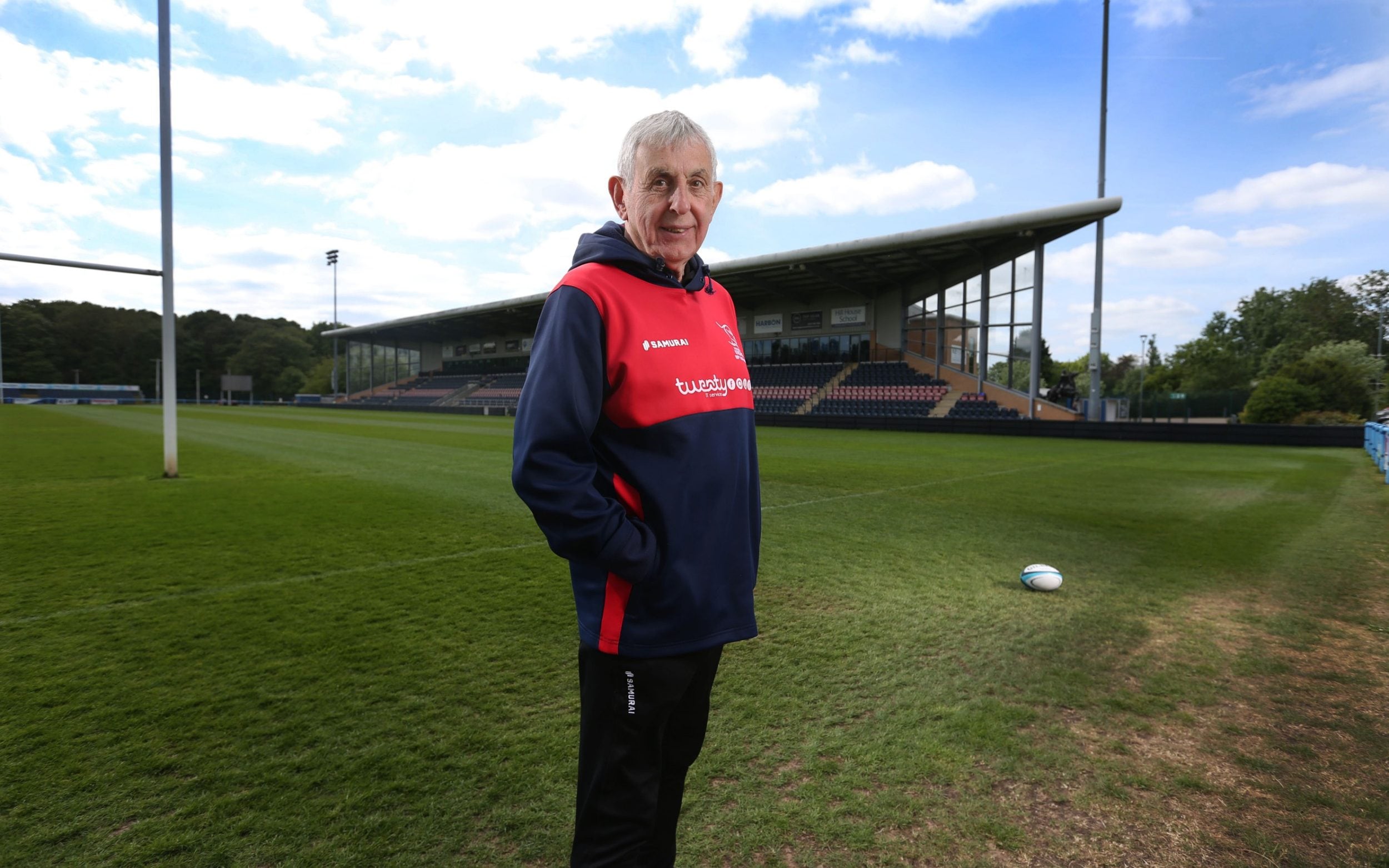
McGeechan believes Doncaster Knights have the potential to be the flagship club for rugby union in his native county - Lorne Campbell for The Telegraph
“The key issue is the link with an academy. That Yorkshire academy, which currently stops at 18 years old, needs to continue to 23 so that those players can come to us or Rotherham, who are also in the Champ. What you don’t do, is take them at 18 to a Prem club at the other end of the country, who put them on loan in the Champ, and then they’re staying away from home and playing against a Yorkshire club in that league. When Leeds went bust and the academy went back to the RFU, the programme stopped at 18. To me, that is ridiculous.”
It is not just at regional level where the duo have concerns about the politics of talent. As I ask both McGeechan and Richards about next year’s World Cup – the former backing South Africa, the latter New Zealand, but both agreeing that France will be a threat – they bemoan England’s selection policy regarding players abroad.
“If England had the ability to pick the boys they can pick, they would stand a chance,” Richards says. “Abroad next season will be Kyle Sinckler, David Ribbans, Jonny Hill, Jack Willis, Tom Willis, Sam Simmonds, Zach Mercer, Billy Vunipola; there’s almost a full pack there, and it wouldn’t be a bad one.
“Look at the benefits, from a rugby economy point of view in England, of winning the World Cup in 2003. Absolutely massive. Why hinder ourselves, tie one arm behind the back? That’s from every club’s perspective – whether that’s Saracens, Leicester, right down to Old Rubberduckians’ 12th XV. The benefit of winning the World Cup in 2003 was absolutely huge, so why are we hindering ourselves for this one when we know that is the case? Is there a short-sightedness on behalf of the clubs, if you reflect on the benefits that 2003 brought to the Prem? It was absolutely huge.
“Without a doubt [England could win it]. A year is enough time. You look at the Lions, and Geech, and putting a team together in three or so weeks and then playing a Test series. So, yes, you can do it. If everyone were fit and available then we’d be right up there as one of the favourites, with competition in every spot.”
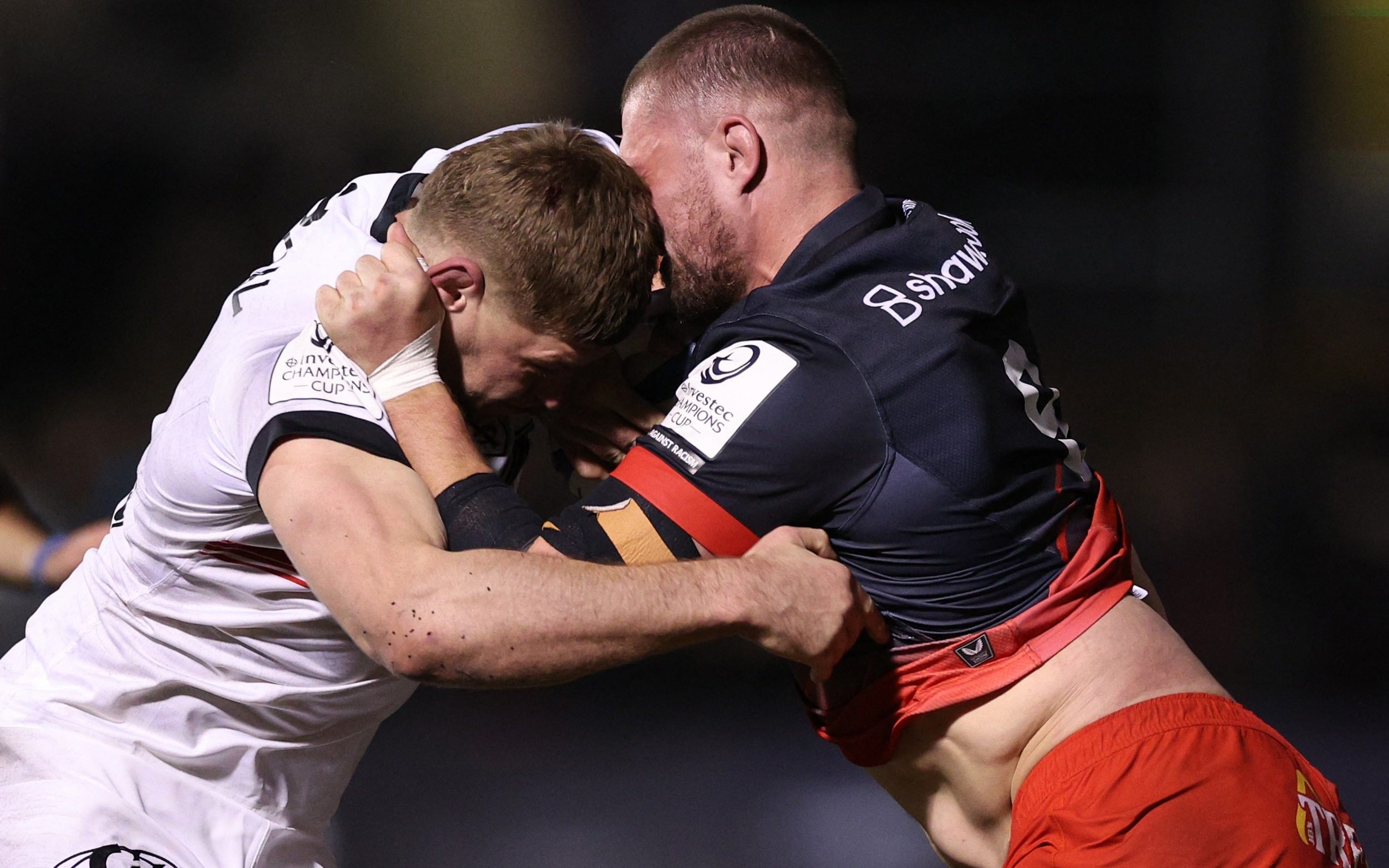
The friends agree that England are shooting themselves in the foot by not picking players based in France, such as the Willis brothers - Adrian Dennis/AFP via Getty Images
McGeechan adds: “For any nation – and Wales’s 25-cap rule is the same – it’s a crazy situation where they won’t pick their best players if they’re not playing in that country. Your top team needs to show the role models. In a professional game, players will always go to other countries, but you need your best players putting an international jersey on. They’re the ones who kids look up to; they’re the role models, the heroes.
“The team is not a genuine reflection of the talent that England is producing.”
Of that remaining talent, who would McGeechan pick in his specialist area, the midfield, and who would Richards select in his, the back row?
“F------ hell,” Richards says, allowing McGeechan to begin.
“I’d definitely have [Tommy] Freeman in there somewhere,” he says. “[Henry] Slade has impressed me in the last 12 months. He looked as though he was finished for a while, but he’s had the bit between his teeth and showed everyone how good he is. That’s what you want all the time: consistency. An international coach wants his players coming back and saying: ‘You can rely on me to do this.’ And then at a higher level. Fin Smith at 10 without doubt: competitive, a good defensive 10. [Seb] Atkinson could be the one at 12.”
Richards says: “When you look at some of the best back rows around, there’s a mixture of pace, power and poise. At the moment, England don’t have the power there – but they have the pace – and the poise is lacking. They run around, really busy, but they don’t have the control. I like the Willis boys, I like [Chandler] Cunningham-South because he challenges people physically. I don’t like [Ollie] Chessum at six, they need more dynamism. I’d play him at lock, with George Martin or Maro Itoje. At the moment, probably George.”
“I’d agree,” McGeechan says. “And I’d play Chessum at lock, too, because you’re then back to saying that the advantage of playing him at lock is his mobility, but then you’re adding more to the back row.”
Richards says: “If the Currys [Tom and Ben] were fit constantly they’d be right up there. I’d like to have [Henry] Pollock there somewhere, but I don’t know where. [Guy] Pepper goes about his business, from a seven perspective, incredibly well. I might even start Pollock at eight because of his ball-carrying. And when I talk about ball-carriers, I’m talking about the ability to challenge people in confined spaces.”
Richards’s phone rings to the tone of Have A Nice Day by Stereophonics. The two have a rugby team to prepare – not the Lions or England, but Doncaster – and our conversation draws to a close.
The duo stride out on to the sun-drenched Castle Park training field with the same purpose as they did at Ballymore all those years ago, walking past a mural which reads “No challenge too great”. Richards and McGeechan were ready for one back then, and they still are now.
Source: “AOL Sports”
