


They say it is a poisoned chalice to follow the likes of Pep Guardiola – that is a myth
They say it is a poisoned chalice to follow the likes of Pep Guardiola – that is a myth

Chris BascombeSun, August 16, 2026 at 6:00 AM UTC
0
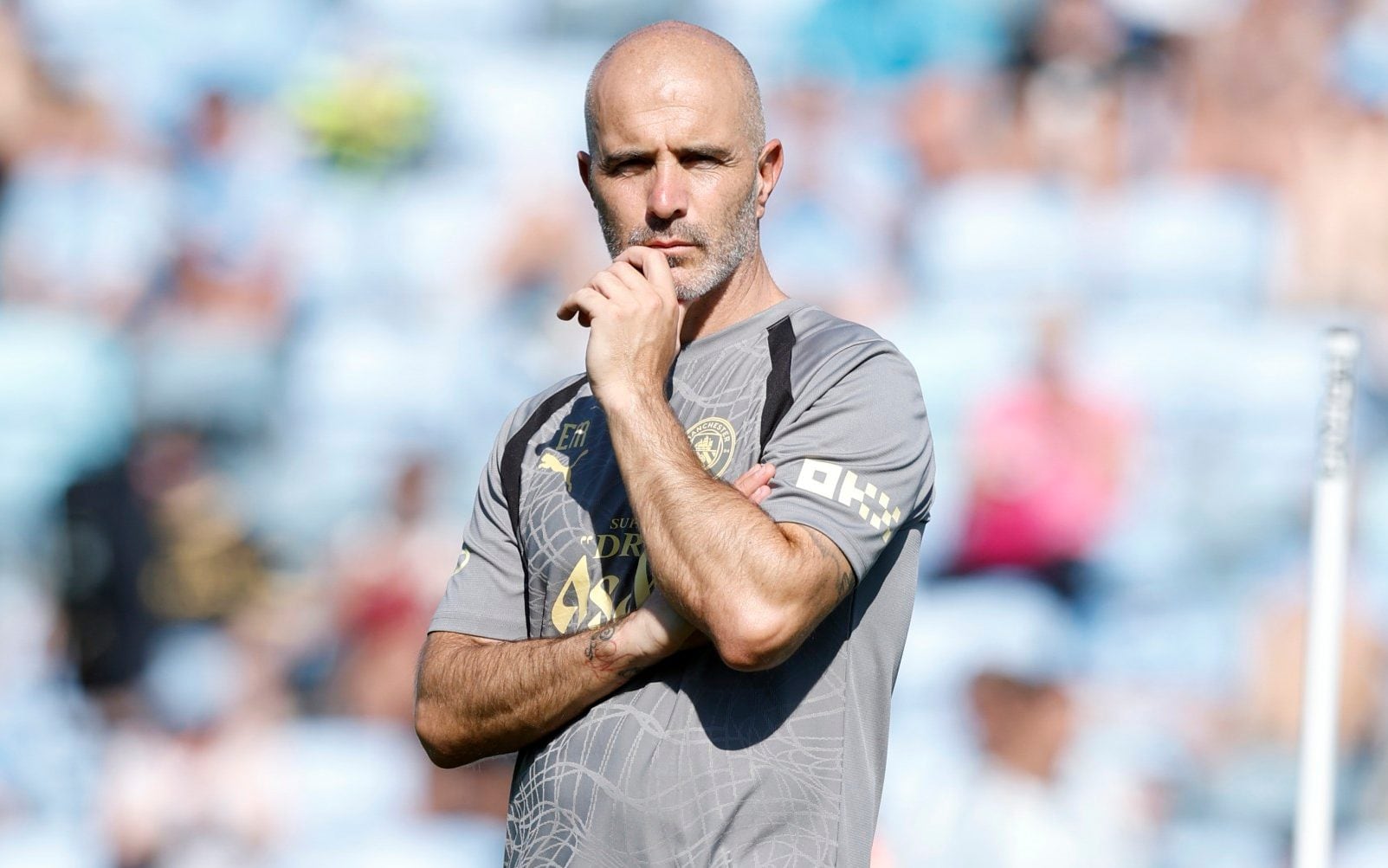
Enzo Maresca is charged with carrying on from where his predecessor left off - Cody Froggatt/PA
Pep Guardiola’s successor assessed the breadth of the challenge before him and offered a candid appraisal of how to replace the irreplaceable. “It would be silly to try and change it,” he said of Guardiola’s grand design.
Tito Vilanova was addressing the world’s media in Camp Nou. For Barcelona in 2012, read Manchester in 2026. Enzo Maresca would be wise to study the manual for standing on the shoulder of a giant.
Charged with maintaining the standards of a two-time Champions League-winning team many still consider the best ever, Vilanova’s big idea was effectively to leave the existing one alone, mastering the art of the subtle tweak.
Describing the transition as seamless barely does justice to the changeover; Vilanova’s Barcelona side won 23 of their first 25 La Liga matches, snatching back the title lost to Real Madrid in Guardiola’s farewell campaign. Tragically, the promise of further honours to build on sturdy foundations was realised by others as Vilanova died from cancer in 2014.
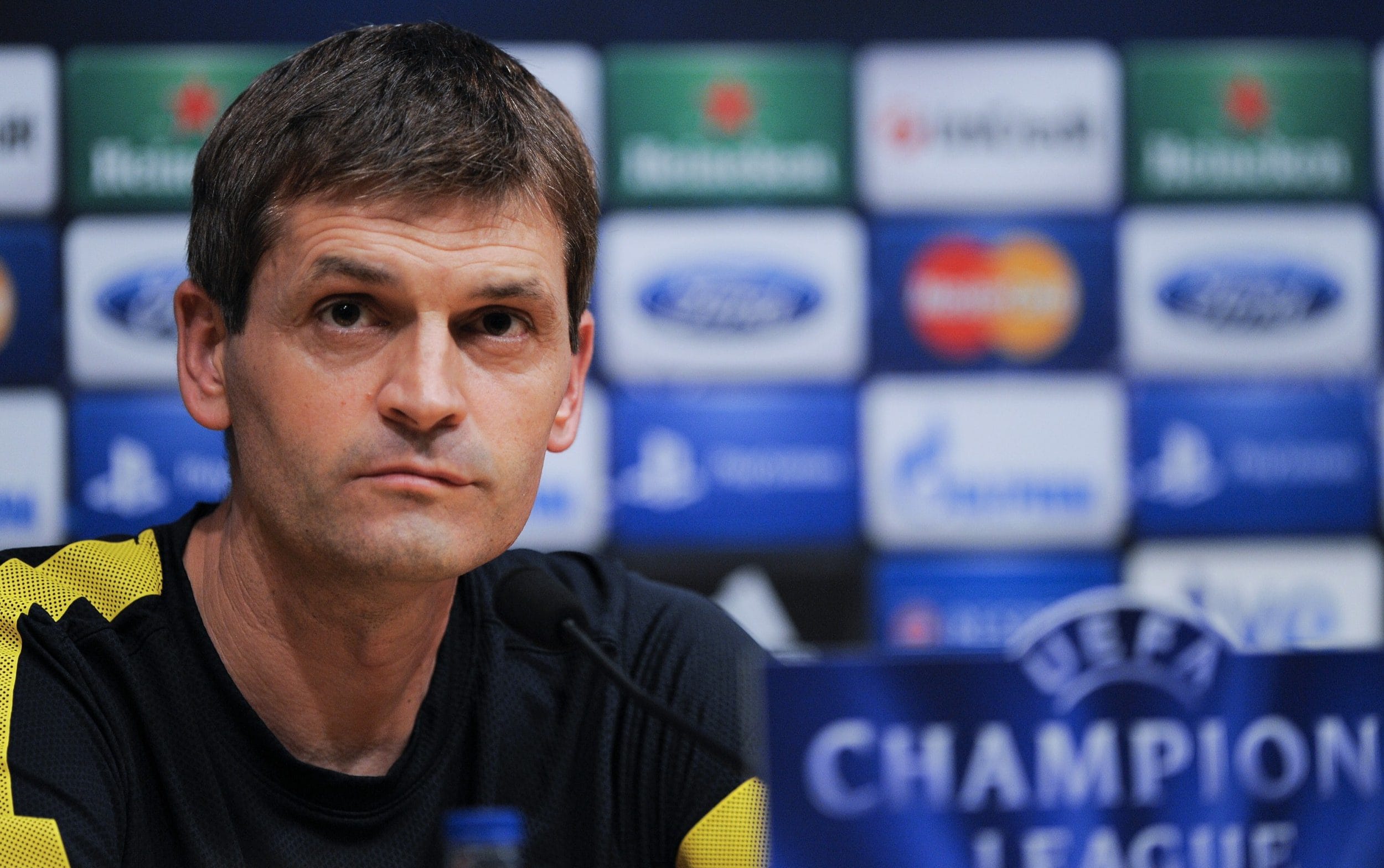
Tito Vilanova took over from Pep Guardiola as Barcelona head coach in 2012 - David Ramos/Getty Images
After a brief stint by Gerardo Martino, Luis Enrique gave the dream team of Lionel Messi, Andrés Iniesta and Sergio Busquets further La Liga titles and another Champions League win.
The so-called “impossible job” of being bound by the weight of the preceding genius, therefore, was no such thing.
When legends of such repute move on, there is an instant tendency to refer to the aftershock at Manchester United when Sir Alex Ferguson stood down, or Sir Matt Busby in 1969.
City and Maresca can be encouraged by the fact that their neighbours’ prolonged woes post-Ferguson and Busby are the exception rather than the rule when judging the ripple effect of losing a god-like presence.
Many who replaced the most fabled coaches fared well, certainly at first, as they reaped rewards from the quality and experience left behind.
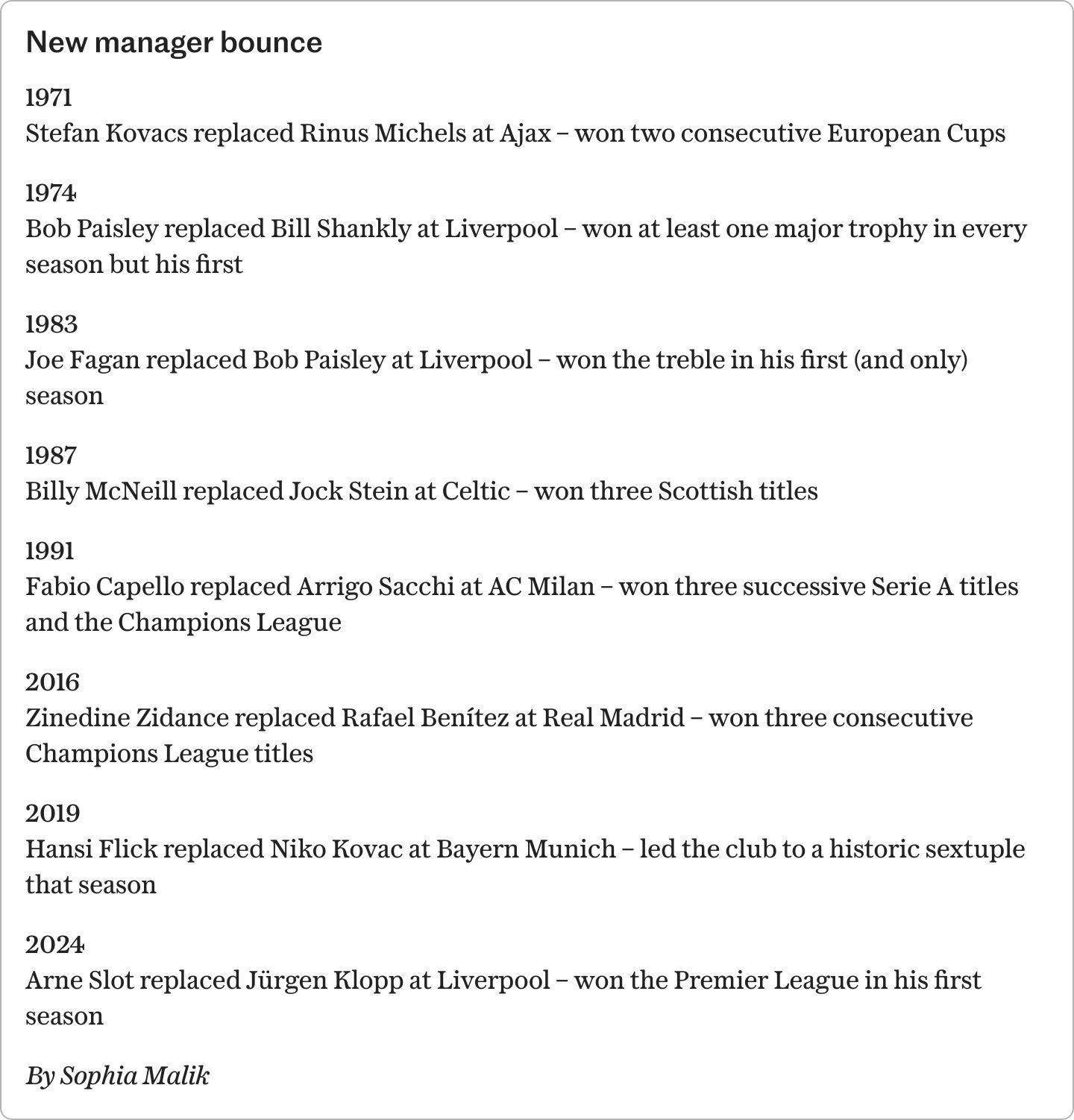
Bob Paisley elevating Liverpool to European champions within three years of replacing Bill Shankly is the obvious example. This was cited in Spain in the immediate aftermath of Vilanova replacing his mentor Guardiola at Camp Nou. Club rivalries might dissuade City from highlighting that particular transition, or indeed Joe Fagan becoming English and European champions in his first year after taking over from Paisley.
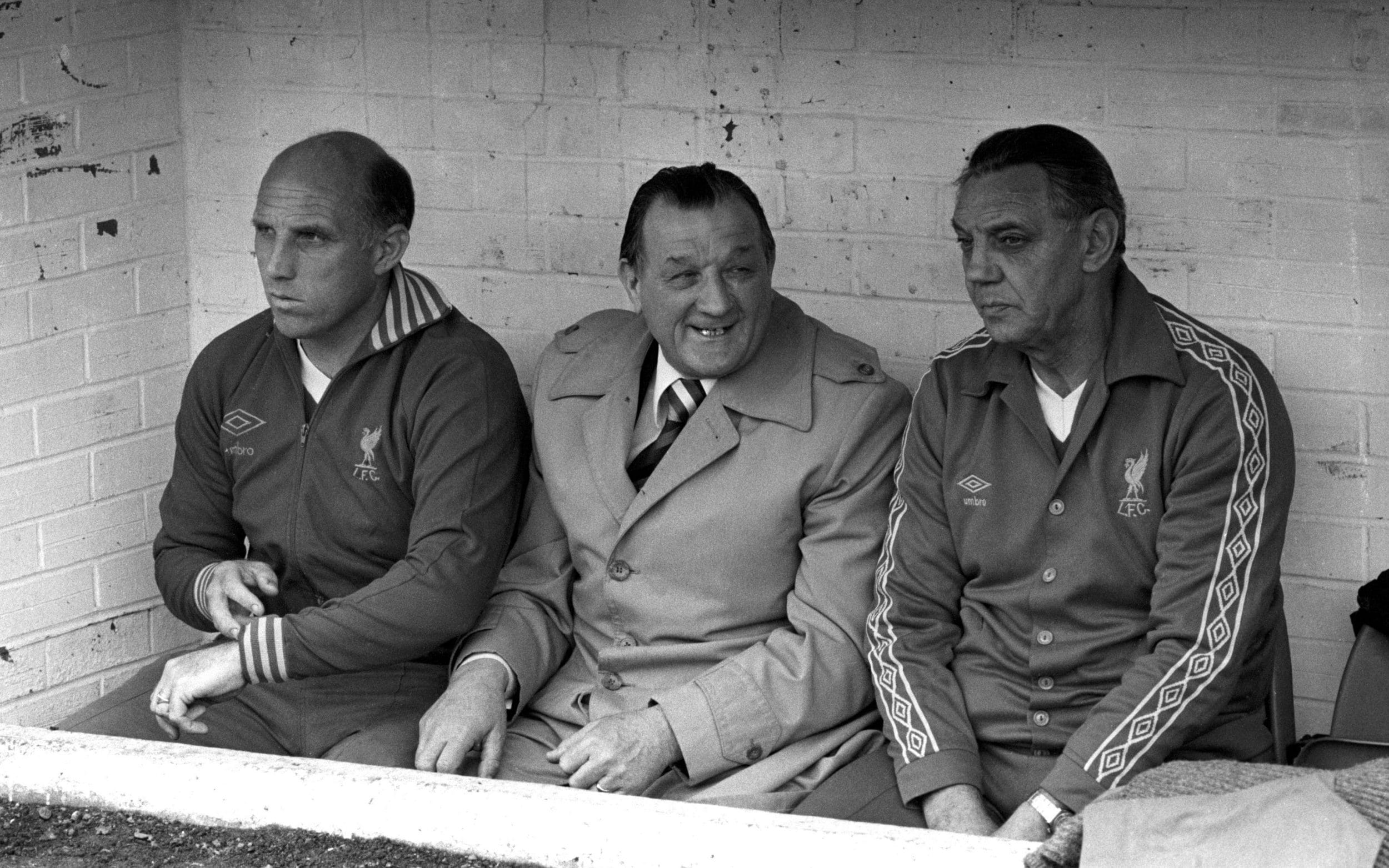
Joe Fagan (right) had little trouble following on from the success of Bob Paisley (centre) at Liverpool - PA
There are plenty of others they can cite as evidence that any rivals anticipating City will slide away will be disappointed.
Arrigo Sacchi’s departure as AC Milan manager in 1991 – stepping away from a side who changed how football was played – did not stop Fabio Capello winning three successive Serie A titles and a Champions League, absorbing an unbeaten 58-game run.
Rinus Michels’s six-year Ajax reign between 1965-71 profoundly influenced the sport and started a trail which led to Guardiola’s tactical blueprint, but when the Dutch maestros won their celebrated three-in-a-row European Cups in the early Seventies, the latter two were lifted by the often overlooked Romanian coach Stefan Kovacs.
Billy McNeill won three Scottish titles after replacing Jock Stein in 1978, ending his first spell at Celtic at the top when the challenge of English football (at Manchester City) lured him south.
The common factor in each case is that while the celebrated manager left, the squad’s core remained intact, either still at its peak or nearing it.
Paisley inherited Ray Clemence, Emlyn Hughes and Kevin Keegan.
Sacchi left Capello a lavish legacy including Franco Baresi, Paolo Maldini, Ruud Gullit and Marco van Basten.
Michels bequeathed talents such as Johan Cruyff, Johnny Rep and Johan Neeskens to Kovacs.
Vilanova walked into a Barcelona dressing room containing generational talents, including the greatest footballer of all time.
Advertisement
It would take at least seven years before there was an identifiable post-Guardiola dip in Catalonia, which could be attributed more to the natural decline of Barca’s golden generation.
City fans might accept such a time frame before they suffer a post-Pep hangover as Maresca beds in.
They are not at the level of Barca in 2012, but if assuming control over a squad including a striker of Erling Haaland’s extraordinary talent is considered a poisoned chalice, a queue of coaches would willingly take a sip.
Although Rodri’s presence (or otherwise) is crucial to Maresca’s early impact, it is to Guardiola’s credit that – unlike Ferguson at Old Trafford in 2013 – he did not leave behind an ageing, diminished squad.
It would have been less stressful for Guardiola to go once he realised the great side of Kevin De Bruyne was nearing its end. Instead he opted to oversee a rebuild that gives his successor a greater chance of immediate success, going close to the title last season in what was effectively year one for a re-emerging City side. Guardiola must have known he was signing Gianluigi Donnarumma, Antoine Semenyo, Marc Guéhi and Rayan Cherki for someone else’s long-term benefit.
There are obvious parallels with Jürgen Klopp at Anfield, where the most pertinent recent example of stepping into a legend’s shoes resides.
Arne Slot’s two-year stint at Liverpool has been reevaluated because of how it ended. It does not alter how the Dutchman expertly took advantage of Klopp’s final renovating spending splurge and the players’ muscle memory to secure a 20th league title in his first season.
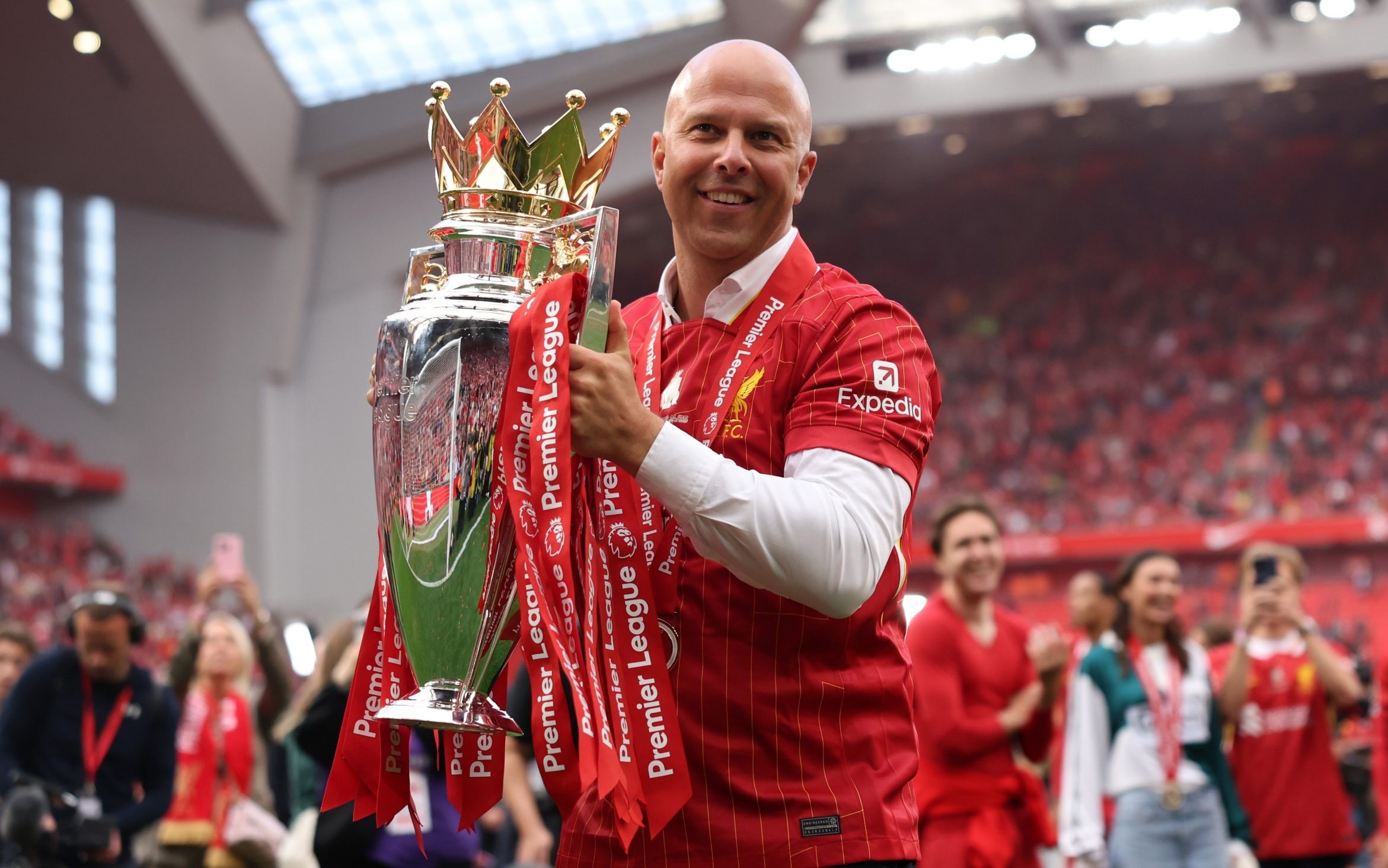
Arne Slot won the Premier League in his first season as Liverpool manager - Getty Images/Carl Recine
It remains to be seen how salient this, or Vilanova succeeding Guardiola at Barca, proves when considering what might happen under Maresca.
Other echoes also explain why Maresca is a smart choice.
Vilanova was Guardiola’s right-hand man credited with helping to formulate an all-conquering “tiki-taka” Barca ideology, having worked from the famed La Masia academy upwards. Maresca worked with City’s young players under Guardiola before becoming his first-team assistant. When he left to forge his path as the No 1 at Leicester City and Chelsea, you could be forgiven for believing he was serving an increasingly challenging managerial apprenticeship before the Etihad call came. Like Vilanova, he is so immersed in the Pep way he is more of a disciple than a student, not so much influenced as indoctrinated.
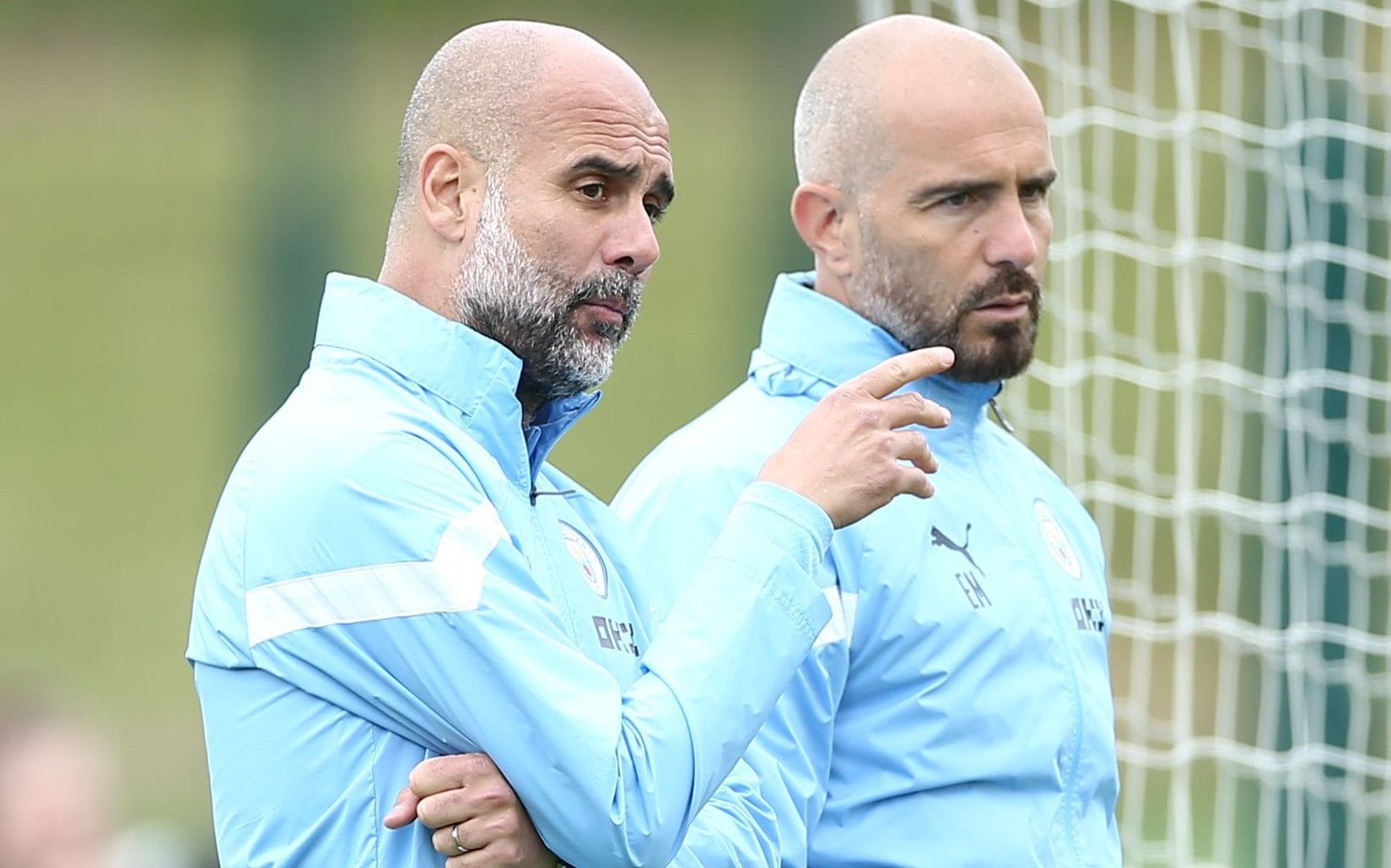
Maresca was Guardiola’s first-team assistant before taking over at Leicester City in 2023 - Adam Vaughan/Shutterstock
As those who saw Maresca’s ideas at Leicester and Chelsea will testify, the Italian’s concept – like his appearance – is obsessively Guardiola-esque: inverted full-backs, monopolising possession, eradicating risky passes to the point where the opponent will expend energy trying to retrieve it, ultimately running into submission.
Maresca’s intransigence when it came to sticking to his strategy was not universally loved at his former clubs. At Leicester, he was compelled to defend himself when an impatient crowd yearned for a more direct forward ball. Unsurprisingly, he name-dropped Guardiola when explaining his theories.
“I understand that the fans go to the stadium and they want to see the team play a certain way. They want ‘attack, attack, attack’ but it’s impossible,” Maresca told Telegraph Sport’s John Percy in an interview when Leicester’s coach in May 2024.
“The problem is that some people think that as we keep the ball we sometimes don’t go forward, but you can’t do it for 95 minutes. I was at Manchester City a few weeks ago and the fans were saying the same to Pep. It is normal.”
If there were ever such murmurings under Guardiola, they were barely audible or swiftly silenced by the sheer volume of victories. Maresca’s challenge is to imitate that consistency as much as the style.
There is a quote attributed to Cruyff that, although possibly apocryphal, stands up to scrutiny when judging the impact of those who succeed managerial titans.
“It takes six months for a great manager to fix a poor team, and the same time for a poor manager to ruin a good one.”
By that metric, whether Maresca is up to the job long term or not, City can expect to be as strong as they were under Guardiola until at least February.
From there, a truer judgment of the Maresca effect can take shape. Rather than take on the unenviable task of replacing the master, history suggests the Italian has a golden opportunity to join an illustrious list of worthy successors to the best there has ever been.
Source: “AOL Sports”
